Blog

  • ‘Titanium’: The Story Behind David Guetta & Sia’s Club Anthem

    ‘Titanium’: The Story Behind David Guetta & Sia’s Club Anthem

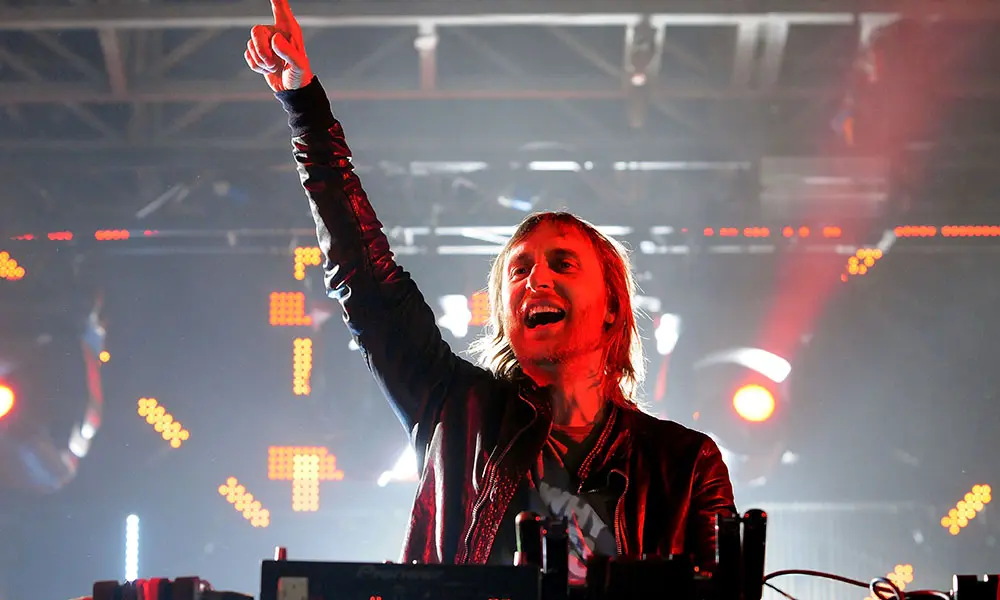
    David Guetta in 2011, the same year he collaborated with Sia on Titanium

    At the turn of the 2010s, dance music in America went from being an underground club secret to the mainstream’s go-to formula. From pop stars like Britney Spears and Rihanna to R&B heavyweights like Usher and Ne-Yo, DJs were called upon to inject their pulsating four-on-the-four beats into radio-dominating singles. Parisian-born DJ/producer David Guetta was among the leading players in this movement — thanks to his 2011 collaboration with Sia, “Titanium.”

    Prior to its release, Guetta already had a few hits. His fourth album, 2009’s One Love, included Billboard dance chart-toppers “When Love Takes Over” featuring Kelly Rowland, “Gettin’ Over You” with Fergie and LMFAO, and “Sexy Bitch” with Akon. He continued this collaborative approach on 2011 follow-up Nothing But the Beat. Like its predecessor, there were Top 20 singles like “Where Them Girls At” with Flo Rida and Nicki Minaj, “Turn Me On” with Minaj, and “Without You” with Usher. But it was the Sia-assisted “Titanium” that became the most consequential of the hits, as it near-immediately changed the course of the singer’s career and pop music itself.

    Before “Titanium,” the Australian-born Sia was more known in the underground scene. Perhaps the most notable moment in her career to that point was her song, “Breathe Me” soundtracking the final scene to the HBO series Six Feet Under. After decades in the music industry, Sia was content to focus on writing for other artists.

    YouTube Video
    Click to load video

    That’s how “Titanium” began. Sia wrote and performed a demo of the song for Guetta, with the intention of having Alicia Keys sing the final version. Keys turned the song down, and the demo then ended up in the hands of Mary J. Blige and later Katy Perry. The latter singer passed because she didn’t want to duplicate the sound of 2010’s “Firework.” “I remember specifically listening to [‘Titanium’] on the plane, I was like, ‘Oh my god, this song is so good. Who is the person on the record?’” Perry recalled during a 2020 Tommorowland conference with Guetta. “‘They should stay on the freakin’ record. This is a hit.’’”

    Guetta felt similarly and ultimately used her demo as the official version. Sia agreed under one condition: She didn’t want to do any promotion for the song (including a music video). The song didn’t need any help: Everything about “Titanium” is BIG, from Sia’s massive roars, the motivational lyrics (“I’m bulletproof, nothing to lose/Fire away, fire away”), and the blood-pumping production from Guetta, Giorgio Tuinfort, and a then-unknown Afrojack. Audiences around the world agreed. The single went multi-platinum in Australia, the U.S., and the UK. It also entered the Top 10 singles charts in numerous countries and peaked at No. 5 on the Billboard 100.

    “Titanium” played a key role in launching dance music back into the pop music mainstream. It also cemented Guetta as a go-to producer for pop stars, and catapulted Sia into exactly the sort of position she wanted. She became one of pop music’s most celebrated songwriters (her credits include Rihanna’s “Diamonds”, Beyoncé’s “Pretty Hurts”, Britney Spears’ “Perfume,” and Katy Perry’s “Chained to the Rhythm”) as well as becoming a mega-artist in her own right thanks to singles like “Chandelier” and “Cheap Thrills.” She’s since called “Titanium” the best thing to happen to her career.

    “Titanium” appeared on NOW That’s What I Call Music 43, alongside other dance hits like Calvin Harris and Ne-Yo’s smash “Let’s Go.” Looking for more stories behind music’s biggest hits? Check out the Now! That’s What I Call Music page.

  • GMDCASH reclaims the narrative with his comeback single “I’m The Product”

    With “I’m The Product,” GMDCASH is back in the spotlight. This focused, purposeful single marked the start of a new era. The song marks the artist’s official comeback and signals…

  • KATE CALLAHAN – AN ARTIST SPOTLIGHT AND IN-DEPTH INTERVIEW

    KATE CALLAHAN – AN ARTIST SPOTLIGHT AND IN-DEPTH INTERVIEW

    By Ralph Beauchamp

    Kate Callahan is a brilliant singer/songwriter based in the Northeast whose music is full of transcendent images. She also was the 16th State Troubadour of Connecticut. Kate Callahan‘s music feels less like a performance and more an atmosphere you step into. Her sound carries a quiet confidence. It is shaped by restraint as much as by expression. Kate Callahan allows space for her listeners to breathe inside every phrase. Her work invites attention through subtle shifts of tone and texture which creates a sense of intimacy that lingers well past the fading of last note.

    What stands out most in Kate Callahan‘s approach to sound is her sensitivity to nuance. She treats her lyrical shading as a collaborator, using it to frame melody and emotion with deliberate care. Kate Callahan has a deep understanding of how to communicate her narrative without excess. She allows her themes to rise naturally instead of being forced forward.

    Listening to Kate Callahan’s music is an exercise in presence. Her sound draws the listener inward rather than outward, and rewards patience with moments of divine revelation. There is a timeless quality to her work. It is grounded in the enduring power of carefully shaped sound and honest musical intention. Kate Callahan is a special artist and a muse to all.

    Kate Callahan will be performing at the Bigger Beast Records / All Boats Rise Entertainment production of the Shelter From The Storm benefit concert featuring the music of Bob Dylan on Feb. 6th at the First Church of Meriden with 14 other talented artists. While the concert is free, one must register to ensure a ticket. Proceeds, by donation, will benefit Neighborhood Promise of Central Connecticut.

    Kate Callahan will also be performing at Cantean Coffee and Tea in Hamden on 2/27. This is an intimate venue with limited seating and purchasing tickets beforehand is advisable.

    Kate Callahan was kind enough to sit with AMP for this in-depth interview.

    AMP: What drew you to music and how did you know you wanted to pursue it professionally?

    KATE: I was always a musical kid. Music was constantly ringing through our house. My dad is a jazz pianist and my mom is a vocalist, so I was exposed to a range of music from Bill Evans to Buffy Saint-Marie, to Tina Turner and Joni Mitchell. In college I was involved in a ski accident that left me with a significant brain injury. I had to withdraw from Rutgers and rehabilitate back in Connecticut.

    I was left with many impairments, including not remembering how to sing. Once the insurance ran out and rehab ended, I decided I wanted to try and learn an instrument that I had no prior history with, so I wouldn’t compare myself prior to the TBI. Learning the guitar was the single most important event in my recovery from the accident. It gave me the confidence to express myself, relearn how to sing, and develop a whole new personality. About a year into lessons I started writing originals which was the start of my life as a singer-songwriter.

    AMP: You were selected as the 16th CT State Troubadour. How was that experience?

    KATE: Becoming Connecticut’s 16th State Troubadour was a highlight in my work as a singer- songwriter. I knew if I earned the position, I would use it to further my work with women inmates. The stipend helped me fund a vocal empowerment program for the women at York Correctional Institution. It helped incarcerated women prepare for their parole hearings, work through emotional blocks connected to their voices, and spend 90 minutes each week in a safe and compassionate environment, something rare within the walls of a prison. This was a pinnacle in my term as State Troubadour. Representing Connecticut on stages across the state and beyond was also an honor that I remain grateful for to this day.

    AMP: Your music feels very personal. What usually comes first for you, the story or the sound?

    KATE: I always begin writing on my guitar. I play around with progressions, strumming styles, and fingerpicking until I’ve created a mood. Then I freestyle words until they take a lyrical shape. I tend to write about things I’ve experienced or observed. I write for the sake of learning something, either about myself or about being human.

    AMP: Can you describe a moment when a song surprised you by becoming something different than you first imagined?

    KATE: So many of my songs become something different that what I first imagined. I record clips of the process to document the changes. World War Zero was a commission that started as a folky fingerpicked song about the climate crisis. As I worked with it, it became a more powerful question: what if we responded to the climate crisis with the same fervor and funding as we invest in war? The song changed in style from a fingerpicked folk song to a strummed anthem with as much bass in the chords as I could manage.

    AMP: Which artists or experiences have most shaped the way you write and perform today?

    KATE: Women singer-songwriters sit at the top of my list of influences. I discovered Dar Williams, Shawn Colvin, the Indigo Girls, Sarah McLachlan, and Ani DiFranco when I was in high school. Today, I wear out albums by Lucy Dacus, Boygenius, Kacey Musgraves, Brandi Carlile, and Taylor Swift.

    AMP: How do you feel you’ve grown as an artist since your earliest releases?

    KATE: Getting a Master’s in English Literature and a B.A in Creative Nonfiction later in life has helped me grow from writing in abstractions to creating more deliberate and concrete images and scenes in my songs. Working with my trio, In Trine, opens my ears to harmonies that I don’t necessarily hear when performing solo. I think my artistry has always been connected to my spirituality. Whether I’m performing live, writing, or rehearsing, I give my soul as much influence in the process as possible.

    AMP: What does playing live mean to you?

    KATE It’s the greatest thrill and greatest challenge in my work as a singer-songwriter. After 25 years, I still get nervous, second guess myself, and ultimately surrender to the dynamic between myself and the folks in the room. My trio has a saying about live performance, “we seek connection, not perfection.”

    AMP: Is there a song that means one thing to you personally but seems to resonate differently with fans?

    KATE: Great question, but I don’t think so.

    AMP: What do you hope your listeners feel or take with them after hearing your music?

    KATE: I hope that people will feel more inclined to love themselves and the people around them.

    AMP: What has been the most unexpected challenge – or reward – of being a working musician?

    KATE: The growth. My career has gone through different phases. I’ve earned things and lost things and the one thing I’ve always known is that I won’t quit. Staying committed to an art form requires growth, not just in perception, but in the gritty changes that the body goes through. I’m almost 50 and my voice, breath, and body are different. That’s a vulnerable thing. But, I think I’m better for it.

    AMP: How do you balance staying true to your voice while still evolving creatively?

    KATE: I’ve never felt I was untrue to my voice. Are there songs from my older albums that I don’t resonate with anymore? Yes! So, I don’t play them. My creative process has always asked me to say and sing what’s important to me. I’m in my fifth year teaching high school English and have been asking myself, what songs could I write for my students? Am I a voice of wisdom for them? Am I a voice of a different generation? I think I get most creatively inspired when exploring the different stances my voice can take.

    Kate Callahan will be performing at the Bigger Beast Records / All Boats Rise Entertainment production of the Shelter From The Storm benefit concert featuring the music of Bob Dylan on Feb. 6th at the First Congregational of Meriden with 14 other talented artists. While the concert is free, one must register to ensure a ticket. Proceeds, by donation, will benefit Neighborhood Promise of Central Connecticut

    Kate Callahan will also be performing at Cantean Coffee and Tea in Hamden on 2/27. This is an intimate venue with limited seating and purchasing tickets beforehand is advisable.


    Views: 108

    The post KATE CALLAHAN – AN ARTIST SPOTLIGHT AND IN-DEPTH INTERVIEW first appeared on AMP.

    KATE CALLAHAN – AN ARTIST SPOTLIGHT AND IN-DEPTH INTERVIEW

  • Windrift’s “I’m All Yours” turns valentine’s day tension into a heartfelt coming-of-age moment

    Windrift kicks off Valentine’s Day 2026 with “I’m All Yours,” a new single from Captain Iron and the Windrift Band, and the single “Way Far Out”. The song is about…

  • Windrift drift into Valentine’s Day with the warm, coming-of-age glow of “Way Far Out”

    Windrift is back with “Way Far Out,” a new Valentine’s Day 2026 single led by Captain Iron and the Windrift Band. It gives a heartfelt look at young love in…

  • Untitled post 448

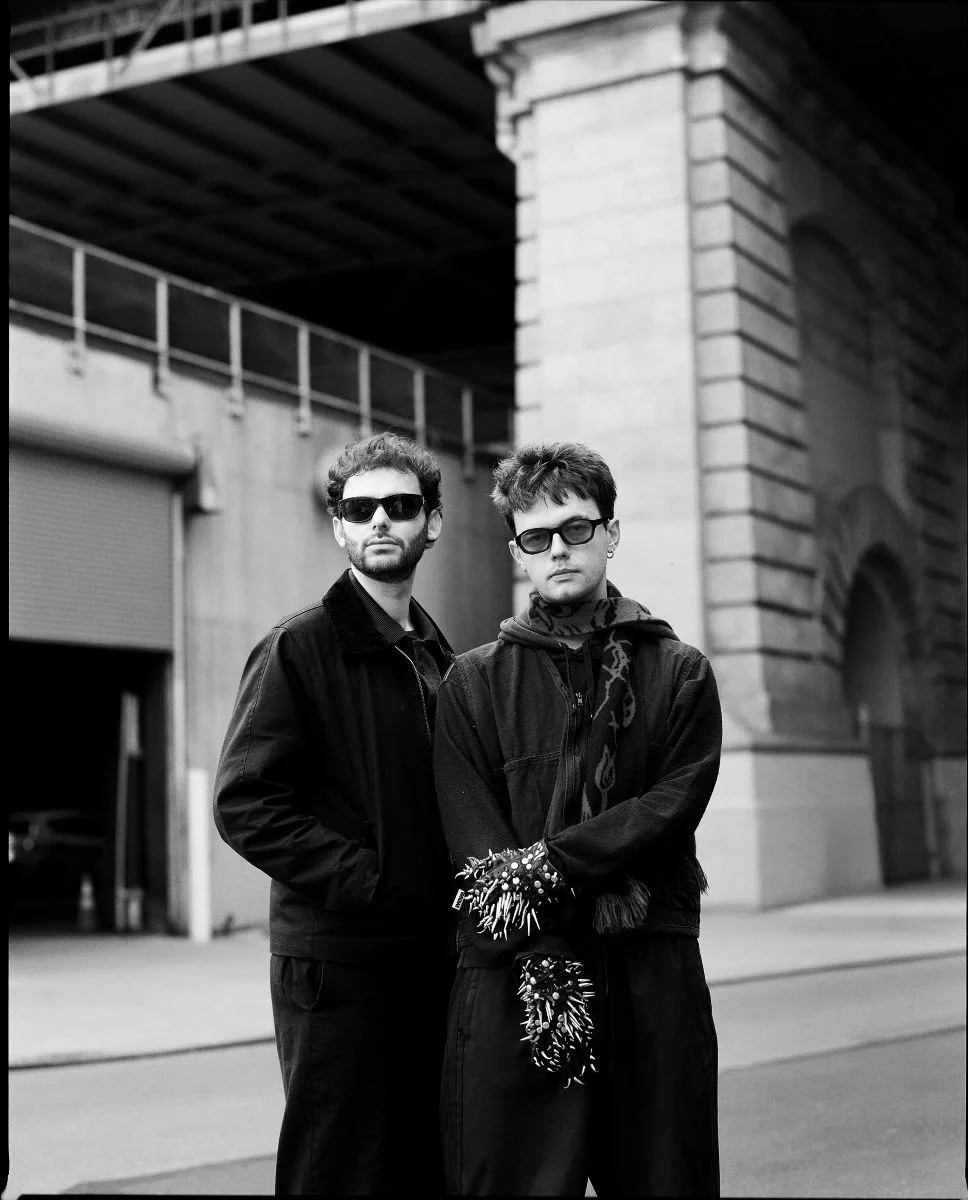
    ChalkThe Belfast electronic punk duo and filmmaking duo also put out a video for new song ‘I.D.C.’ After…

  • ‘Harbour Of Tears’: Camel’s Emotive Return To Their Principles

    ‘Harbour Of Tears’: Camel’s Emotive Return To Their Principles

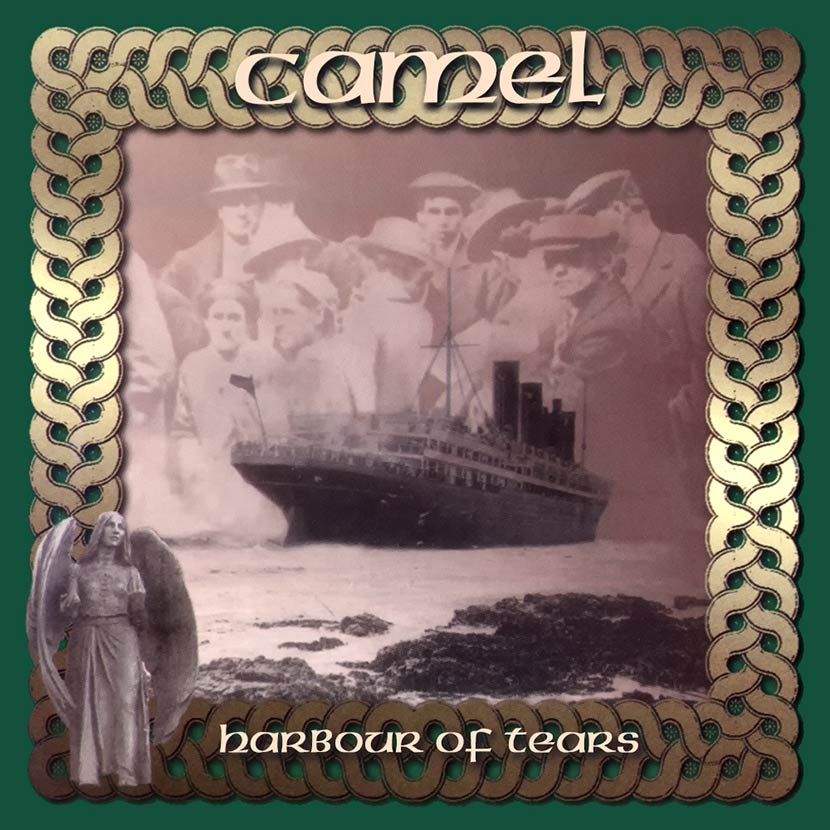
    Camel Harbour Of Tears Album Cover web 830 optimised

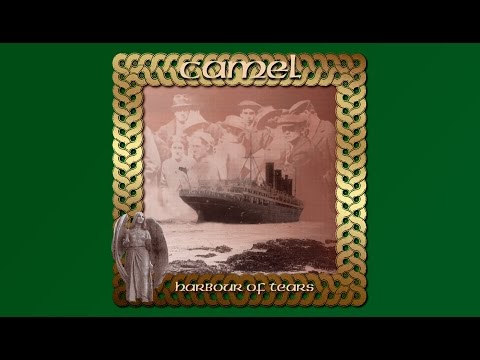
    No strangers to the concept of concept albums, storied soft-proggers Camel added another staple to their conceptual canon (which included 1975’s Music Inspired By The Snow Goose, 1981’s Nude, and 1984’s Stationary Traveller) with Harbour Of Tears. Regarded by many long-term Camel connoisseurs, on its original release on January 15, 1996, as a welcome re-engagement with the band’s melodious and neo-symphonic first principles, the album represents an extended rumination on the emotive topic of 19th-century Irish famine immigrants heading to America, alluded to by a simple note on the rear sleeve: “Cóbh Harbour is a beautiful deep-water port in County Cork, Ireland. It was the last sight of Ireland for hundreds upon thousands of fractured families who departed her shores for fates unknown. They called it the Harbour Of Tears.”

    Patently, the subject matter was of the utmost seriousness, inspired by familial recollections and revelations following the death of guitarist Andy Latimer’s father, Stan, in 1993. (Latimer’s grandmother was among those who set sail from Cóbh Harbour.) However, while the project exudes an entirely appropriate gravitas, it’s Camel’s “movie for the ears” approach, with evocative, scene-setting instrumental vignettes (ie, “Cóbh,” “Under The Moon” and “Generations”) bridging most tracks, that simultaneously brings a time and place to vivid life and serenely lays the ghosts to rest. Furthermore, as Latimer’s signature, thick-toned guitar leads are central to Camel’s appeal, faithful fans welcomed a personally significant catharsis that spurred the grieving guitarist into producing some of his most impassioned playing.

    YouTube Video
    Click to load video

    By 1996, Latimer was the only original Camel member in the line-up, though bassist Colin Bass had been on hand since 1979, replaced during his early-80s sabbatical by Pilot/Alan Parsons Project bassist/vocalist David Paton. The latter was one of several notable guest musicians contributing to Harbour Of Tears, appearing on the sprightly “Send Home The Slates” alongside cellist Barry Phillips and a brace of violinists, Anita Stoneham and Karen Bentley. Vocalist Mae McKenna was also employed to memorable effect, essentially topping and tailing the album with the lambent, unaccompanied “Irish Air” (barring a bravely unadorned 15-minute coda of gently lapping waves).

    It’s Latimer who deservedly grabs the garlands, though, with the extended, delirious lead lines of “Watching The Bobbins,” the intertwined slide guitar and tin whistle of “Running From Paradise,” and the elegiac, self-explanatory “The Hour Candle (A Song For My Father).”

    Listen to the best of Camel on Spotify.

  • Laura Cocks is a flutist who resides in New York City. Recent releases include, FATHM (Out of Your Head/Relative Pitch, 2025), Music For Two Flutes (with Weston Olencki; Hideous Replica, 2024), field anatomies (Carrier Records, 2022), and many releases with TAK ensemble.  A few days ago, I was with several dozen other people, none of … Continued

    The post ListN Up Playlist: Laura Cocks (January 15, 2026) appeared first on I CARE IF YOU LISTEN.

  • The Fritz Gambit rewinds the clock with “Back To School,” a dancefloor reflection on memory and meaning

    “Back To School,” the Fritz Gambit’s new single, turns nostalgia into action. It combines reflective storytelling with an infectious energy that works well in both headphones and on the dance…

  • Best Yello Songs: 20 Electronic Gems

    Best Yello Songs: 20 Electronic Gems

    Yello

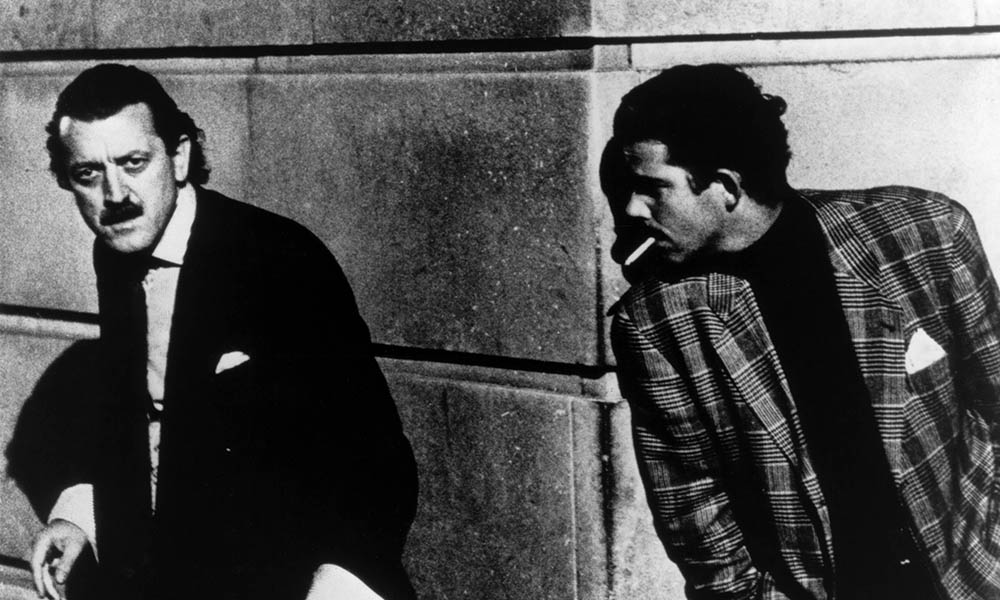
    Yello had already landed several dance hits in the US when writer-director John Hughes sought out their highly distinctive song “Oh Yeah” for his mid-’80s teen comedy Ferris Bueller’s Day Off. Its inclusion in what became an era-defining movie propelled the Swiss duo’s ground-breaking electronic music into the mainstream and secured their place in popular culture.

    Over the following decades, the group, comprising the unlikely pairing of millionaire industrialist and one-time professional golfer Dieter Meier and former TV repair man and trucker Boris Blank, have continued to pursue an ambitious, pioneering path that has had an enduring and indelible influence on countless genres of music, including electro, synth pop, New Wave and techno.

    Several years before Ferris Bueller, the group’s musical ambitions started to take shape with their debut album Solid Pleasure and its third single “Bostich.” The 1981 single sought out a new approach to electronic music with its pulsating synthesizer, disco beat, and Meier’s rapid-fire, rap-like vocal delivery. Anyone hearing it at the time on black radio in America could never have imagined it had been made by a bunch of white guys hailing from Switzerland.

    Listen to Yello’s best songs on Apple Music and Spotify.

    Yello’s ambitious, idiosyncratic sound owes much to Blank’s lack of formal musical training. Instead, his imagination is fired up in the studio by experiments in sampling. (He has a library of many thousands of original samples.) With these, he meticulously and gorgeously constructs incredible, detailed rhythmic soundscapes that form the basis of everything from sophisticated dance floor anthems to atmospheric tracks with cinematic ambitions. These sound pictures are blended with Meier’s catchy melodies, smart, humorous lyrics, and an unmistakable half-sung, half-spoken drawl.

    Across the years, Yello have enhanced their sound with a range of high-quality guest vocalists, including Dame Shirley Bassey, Billy Mackenzie, and Stina Nordenstam, while in 1995 The Orb, Moby, Carl Cox, and a number of electronic music heavyweights repaid their dues to the pair with the album Hands On Yello.

    Although their commercial fortunes in the US and UK have eased in recent years, Yello have continued to make high-quality, critically-acclaimed new albums, with songs that can count among their best. These include their 14th studio set Point, which topped the chart in their native Switzerland in 2020.

    Yello’s Best Dance Songs

    (Bostich, I Love You, Goldrush, Rubberbandman, Limbo)

    Within a year of New Jersey’s Sugarhill Gang scoring the first-ever hip-hop hit with “Rapper’s Delight,” Yello were 4,000 miles away in a studio in their home city of Zurich crafting their own version of rap. The results were found on the group’s debut album Solid Pleasure, including the cut “Bostich” on which Dieter Meier delivers hypnotic, repetitive lyrics over an electronic dance beat that sounds like the future of music. It gave the fledgling group – then a threesome with co-founding member Carlos Peron still on board – their first-ever US dance hit. It set the tone for Afrika Bambaataa’s seminal electro smash “Planet Rock” and has been sampled by countless acts, including Todd Terry and Stereo MCs.
    YouTube Video
    Click to load video

    The last album to feature Peron, 1983’s Euro-dance flavored You Gotta Say Yes To Another Excess more than lived up to its title, including on the bass-heavy and infectious “I Love You” where a half-singing, half-speaking Meier duets with a sampled female voice continually repeating the song’s title. The album was Yello’s first to chart in the US and UK, while “I Love You” reached No. 16 on Billboard’s dance chart and fell one place short of making the British Top 40.

    Yello continued to embrace Euro-dance on the 1987 album One Second, which showcased the group’s love of Latin rhythms. While Meier’s voice largely takes a backseat in favor of guest vocalists, he is front and center on the pulsating “Goldrush.” With a production echoing Trevor Horn’s work with Frankie Goes To Hollywood and Grace Jones (notably “Slave To The Rhythm”), the track cleverly creates a repetitious drum sound from Meier’s sampled voice as the frontman keeps the rhythm pounding with rapid-fire vocals. It’s among Yello’s best songs from the period.
    YouTube Video
    Click to load video

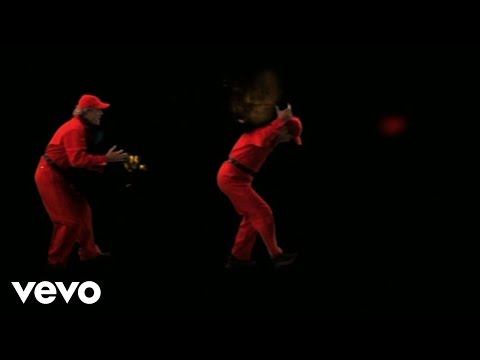
    Yello’s sense of humor is all over the delightfully weird “Rubberbandman,” found on the 1991 album Baby. The track uses vocal samples to create the rhythm over which Meier enthuses with a deep-throated, tongue-in-cheek vocal, which is quite possibly channeling Barry White.

    As new forms and descriptions like EDM emerged, dance music continued to be an essential part of Yello’s DNA. This was evident on their 2016 album Toy, which includes the pumping “Limbo.”

    At The Races

    (Oh Yeah, The Race, Tied Up, Jungle Bill, Waba Duba)

    Had one of Yello been driving the car in Kraftwerk’s epic “Autobahn,” chances are they would have received a speeding ticket. Since their inception, Yello’s best songs have often featured fast-moving and incessant rhythms that brilliantly utilize Blank’s never-ending supply of samples.

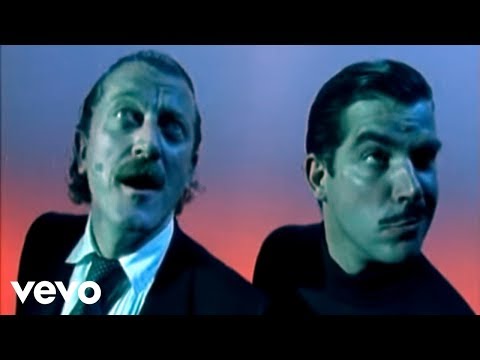
    Made widely famous by Ferris Bueller’s Day Off, “Oh Yeah” was an early example of this approach. It mixed Latin rhythms, a thumping bass, and the simplest of lyrics in which Meier conjures up seemingly random words and phrases, while repeatedly singing the song’s title. Originally part of Yello’s 1985 album Stella, “Oh Yeah” became the group’s first entry on the Billboard Hot 100 where it peaked at No. 51. The track has since been used in countless other movies and commercials.
    YouTube Video
    Click to load video

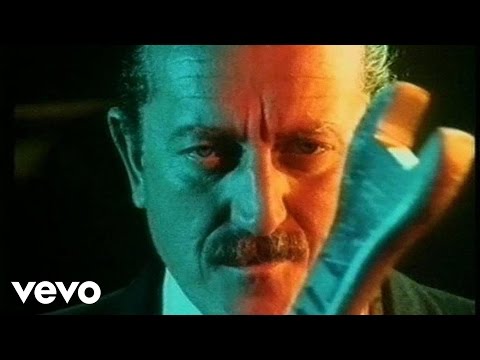
    Yello continued to have their foot on the gas with “The Race,” the extraordinary centerpiece of the 1988 album Flag. This tour de force brilliantly mixes speeding car sounds, Latin percussion, brass, a constant deep bass, and a machine-gun Meier vocal that only adds to the track’s urgency. It became the group’s biggest global hit, including reaching No. 7 in the UK and No. 4 in Germany at the height of the acid house boom.
    YouTube Video
    Click to load video

    Featured on the same album, “Tied Up” served as the follow-up single to “The Race” and shared a number of its predecessor’s musical traits, albeit with an uplifting Latin American sound that included congas, cowbells, rain effects, and a mix of Spanish and English vocals. It was the group’s second Billboard dance Top 10 hit.

    Yello’s next album Baby also had a strong Latin American feel and its highlights include “Jungle Bill,” another adrenalin-filled track that makes full use of Yello’s samples bank. By the group’s 14th and most recent album Point, released in 2020, neither Meier and Blank nor their music had slowed down. Its first single “Waba Duba” reprises the heavy sampled bass of the likes of “The Race” over which Meier delivers a brilliantly crazy vocal.

    Yello’s Best Collaborations

    (Vicious Games, The Rhythm Divine, Moon On Ice, To The Sea, Kiss In Blue)

    For most of their existence, Yello have operated around the partnership of Blank and Meier, but the group have regularly augmented their recordings with the addition of guest vocalists and producers. Indeed, some of Yello’s best songs have outside contributors feature prominently. An early example is 1984’s “Vicious Games,” where the presence of Rush Winters on lead vocals gives the Euro-disco cut an entirely different feel to Yello tracks fronted by Meier. It became the group’s first-ever Billboard dance Top 10 hit.

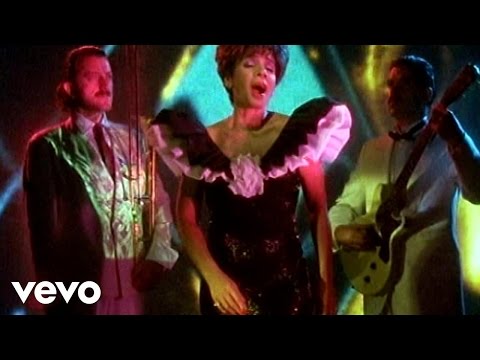
    By the 1987 album One Second, Yello fully utilized the power of outside singers, providing a showcase to both Shirley Bassey and Billy Mackenzie of the British new wave band The Associates. Given the wide-screen and larger-than-life qualities of their music, it made perfect sense for the group to partner with Bassey whose voice had graced James Bond themes such as “Goldfinger.” Here she is given a starring role on the torch song “The Rhythm Divine,” a perfect foil for Yello’s dramatic musical setting. It gave the Welsh diva her first British hit in more than a decade.
    YouTube Video
    Click to load video

    “The Rhythm Divine” had been co-penned by Mackenzie, while the Scot also co-wrote and sang lead vocals on the same album’s sensitive “Moon On Ice,” one of several Yello tracks that made its way onto Miami Vice. The Associates frontman worked again with the group on the albums Flag and Baby.

    The 1997 album Pocket Universe was Yello’s most collaborative yet with production duties, usually the group’s exclusive domain, shared with three other producers, including British techno DJ Carl Cox. The album also featured Swedish singer-songwriter Stina Nordenstam who co-penned and sang the atmospheric, drum & bass-driven “To The Sea.”

    While Yello’s previous guest vocalists had largely been given the stage to themselves, the jazzy “Kiss In Blue” on 2009’s Touch Yello was unusually a duet between the Swiss vocalist Heidi Happy and a crooning Blank.

    Beyond The Dancefloor

    (Lost Again, Desire, Of Course I’m Lying, Drive/Driven, Point Blank)

    Yello’s best songs have had an enormous influence on techno, acid house, and countless other dance genres. But it is just one facet of a diverse musical palette that also includes epics of cinematic proportions. This versatility owes as much to Blank’s lavish soundscapes as it does to Meier’s vocal style and imaginative lyrics. Over the years, Meier’s baritone voice has been compared to everyone from Lee Hazlewood and Leonard Cohen to LL Cool J, but it is in a category all by itself.

    A good example of Meier’s range as a vocalist is the atmospheric “Lost Again” on You Gotta Say Yes To Another Excess, on which the singer switches between spoken thoughts and a sensitive vocal delivery that has future echoes of Pet Shop Boys. It became Yello’s first Top 10 single in their home country.

    In interviews, Blank has cited the influence of psychedelic-era Pink Floyd on his work but “Desire,” which opened the 1985 album Stella, has a beautiful, extended guitar solo that has more than echoes of the British group’s later work, in particular the playing style of David Gilmour. It fits perfectly with Meier’s melodic singing.

    After the adrenalin-rush of “The Race,” “Of Course I’m Lying” was the second UK Top 40 hit from the group’s most successful album Flag, although musically they are poles apart. The later hit is a sophisticated slice of late 80s pop, but its serious feel is contrasted by archetypal Yello humor: Meier sings “You’re lying” to his lover before whispering “I love it” as the response.

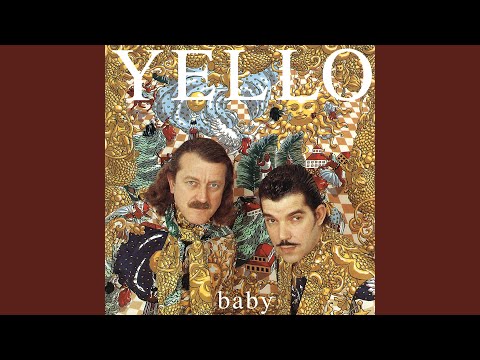
    The group’s humor is also evident on “Drive/Driven,” taken from the 1991 release Baby, whose samples include the noise of sniffing. The heavy use of accordion gives the track a very French feel, but it’s also reminiscent of Avalon-period Roxy Music.
    YouTube Video
    Click to load video

    Given that a number of their tracks ended up in movies and their music often has a cinematic quality, it was perhaps inevitable that Yello would eventually record a film score. When they did, however, it was for a non-existent movie. Released just two weeks before the millennium, the album Motion Picture saw the pair drawing on the influence of great big-screen composers like Henry Mancini. Among its highlights is the jazzy, dramatic instrumental “Point Blank,” which is just waiting to soundtrack an actual movie.

    While their profile and status cannot match that of Kraftwerk, Yello have been pushing the boundaries of electronic music for more than 40 years and their influence can be found in every genre from synth pop and Euro-disco to techno and hip-hop. Their widely-felt impact is reflected by an incredibly diverse catalogue of recordings that is packed with originality, big ideas, and a ton of humor.

    Listen to Yello’s best songs on Apple Music and Spotify.